



Running a hospital is a balancing act between delivering excellent care and managing costs that keep rising. While medical equipment and staffing take center stage, the building itself quietly shapes how much you spend year after year. Smart design decisions made early in a project can reduce ongoing expenses and create a better experience for everyone inside your facility.
Build Energy Efficiency Into the Plan
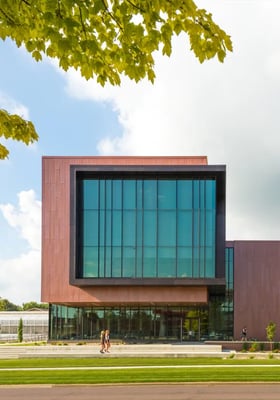
Hospitals are some of the most energy-intensive buildings in the country. The good news is that energy savings can start long before the lights go on. Site orientation, window placement and shading strategies can naturally reduce heating and cooling demands. High-performance insulation and glazing help maintain comfortable temperatures without overworking the HVAC system. Modern LED lighting, daylight sensors and automatic controls make a measurable difference, too.
Choose Materials That Last
Hospitals never stop moving. From wheelchairs and stretchers to cleaning equipment and constant foot traffic, every surface gets tested daily. Durable materials reduce maintenance and downtime. Flooring that resists wear, wall finishes that don’t scuff easily and solid-surface casework can hold up for decades.
These materials might carry a higher initial cost, but the payoff comes in less disruption and lower life-cycle expenses.
Design for Adaptability
Healthcare changes quickly. Designing with flexibility in mind helps a facility stay functional longer and reduces the need for costly renovations. Spaces that support different levels of care and be reconfigured for new technology keep your investment working harder.
For example, patient rooms designed with adaptable infrastructure can serve multiple care levels as needs shift. Modular layouts and standardized room designs help facilitate future changes at lower cost. The ability to adjust instead of rebuild is one of the most valuable forms of savings in hospital design.
Make Maintenance Easier
A building that’s easy to maintain will always cost less to operate. Planning for access to mechanical and electrical systems from the start allows routine maintenance without disruption. Smart building systems can track equipment performance and flag small issues before they become major repairs.
When design teams apply life-cycle thinking to each system and finish, it ensures long-term performance is weighed against upfront costs.
Support Staff Efficiency
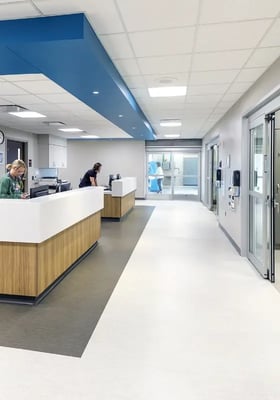
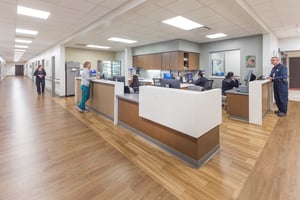
Staffing is a hospital’s largest ongoing expense. The way a building supports daily workflows can have a direct financial impact. Layouts that reduce unnecessary walking, provide clear sightlines and locate supplies close to the point of care allow staff to spend more time with patients.
Simple design features like decentralized nurse stations and pass-through supply cabinets help teams work faster and with fewer interruptions. When staff spend less time navigating the building and more time focused on patients, efficiency and morale improve.
Thinking Ahead Pays Off
Every square foot of a hospital represents an investment in the future. Thoughtful design choices made today influence how smoothly your facility runs and how much it costs to operate for decades. Energy-efficient systems, durable materials, adaptable layouts and maintenance-friendly design are rightly seen as smart business decisions that keep care accessible and budgets under control.
Check out our blog for more insights into design trends, or contact our team for expert guidance on your next project.