



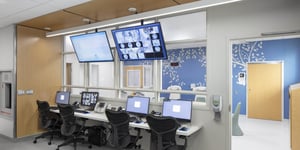
Planning a healthcare facility is never simple. Patients need spaces that support healing, staff need environments that help them work effectively and administrators need to keep costs under control. Technology now plays a central role in meeting all three needs, but it only works if the building itself is ready to support it. Smart systems, from automated lighting to real-time patient monitoring, depend on thoughtful design decisions made at the very beginning.
Integrated Building Management
Modern hospitals depend on building management systems (BMS) that bring together HVAC, lighting, security and even water systems under one platform. For staff, this means fewer surprises and faster response times. For patients, it means reliable comfort and safety. The architectural piece comes down to planning infrastructure — wiring, sensor placement and equipment access — so that the technology works seamlessly without constant disruption from upgrades or repairs.
Smarter Air and Energy Controls
Heating and cooling account for a huge share of operating costs. Automated HVAC systems that use occupancy sensors and real-time data can reduce waste while keeping conditions stable for patients and equipment. To achieve optimal results, these systems require design decisions made early in the process, such as incorporating flexible mechanical zones and strategically placing sensors. The payoff is lower energy bills, fewer maintenance headaches and healthier air quality.
Lighting that Heals
Lighting does far more than brighten a room. Circadian lighting systems mimic natural daylight patterns to help patients rest and recover. Automated controls can also adjust brightness and color temperature to support staff during overnight shifts. To make this possible, facilities need layouts that bring in natural light wherever possible and that allow for integration of smart lighting fixtures without compromising future flexibility.
Tracking Patients and Equipment
Real-time location systems (RTLS) can track patients, staff and equipment throughout a hospital. This technology helps reduce wait times and ensures critical devices are always where they need to be. For architects, that means considering how antennas, beacons and tracking hubs are integrated so the system works reliably without cluttering patient spaces.
Smart Patient Rooms
The patient room is where technology becomes most visible. Smart beds with built-in sensors can monitor vital signs and adjust automatically to reduce risk of injury. Voice-controlled systems give patients control of lighting, temperature and entertainment, which supports comfort and independence. Designing these rooms requires planning for more outlets, data ports and wireless connectivity, while still keeping the space calm and uncluttered.
Safety and Compliance
Every school must meet accessibility, fire and environmental regulations. Security has also become a greater priority, with many schools investing in controlled entry points, surveillance, and emergency communication systems. These are not optional features and need to be included from the start of planning.
Telehealth-Ready Spaces
Telemedicine is now a core part of care. Designing spaces for virtual visits means thinking about acoustics, privacy, lighting and background noise. Even a small consultation room can be equipped to support high-quality video calls when designed with these factors in mind. In larger facilities, flexible spaces that can be adapted for virtual care ensure the building remains relevant as telehealth continues to expand.
Security and Reliability
With more technology comes more risk. Cybersecurity isn’t usually thought of as an architectural issue, but the physical environment plays a role. Secured equipment rooms, planned pathways for data cabling and separation between public and staff networks all help reduce vulnerabilities. Early planning ensures that protective measures don’t feel like afterthoughts.
Looking Ahead
Smart technologies are transforming how hospitals operate, but they only succeed when supported by good design. The layout, infrastructure and flexibility of a building will either unlock the potential of these tools or hold them back. By planning ahead, you create spaces that meet today’s needs and are ready for the next wave of innovation. In healthcare, where the stakes are high, that kind of foresight is one of the most valuable investments you can make.
Check out our blog for more insights into design trends, or contact our team for expert guidance on your next project.